.png)
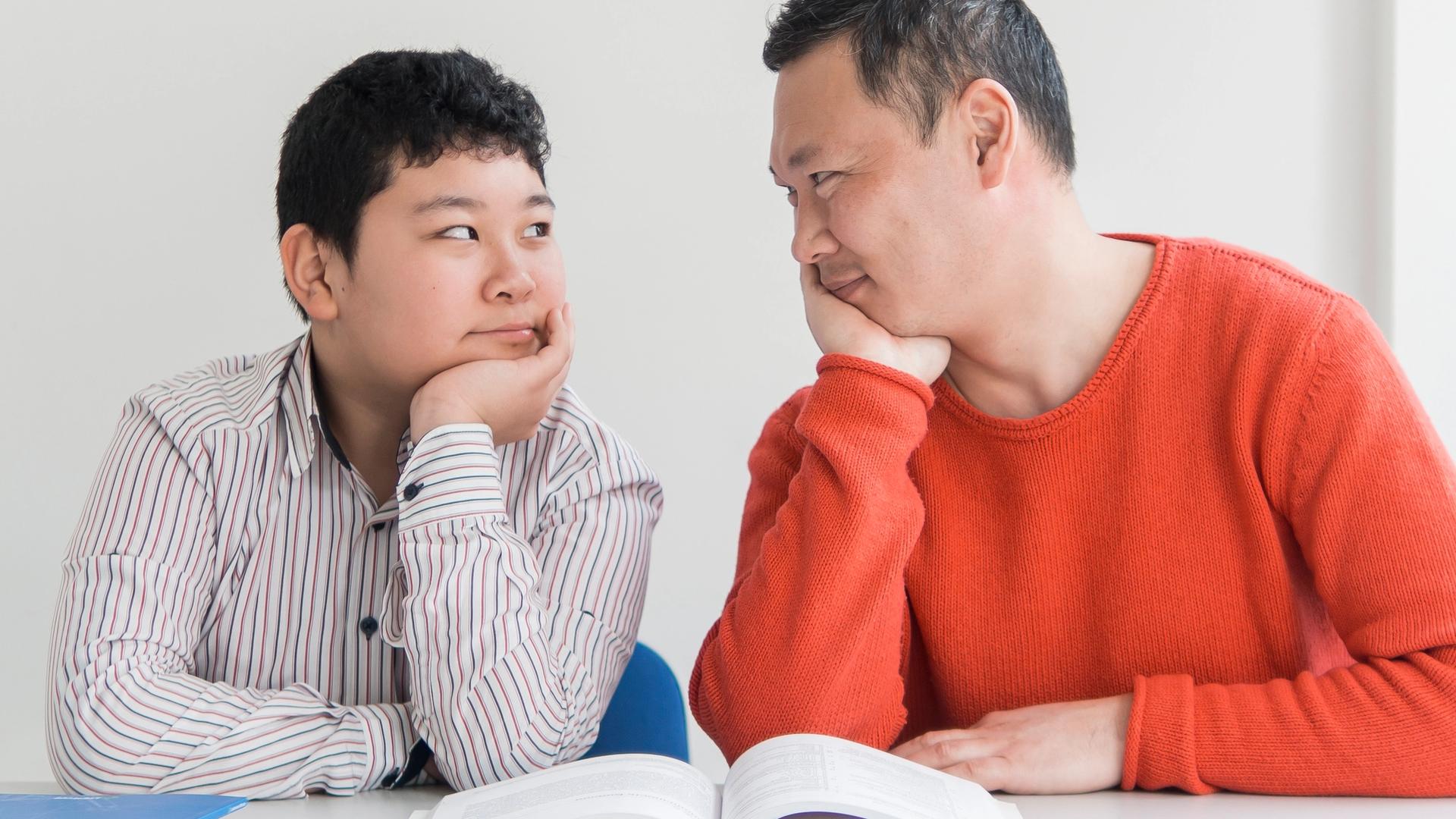
Exam periods are stressful for the entire family. In Singapore's achievement-oriented education system, the pressure on students can be intense. As a parent, you play a crucial role in helping your child manage anxiety and perform at their best. This guide offers practical strategies for supporting your child through these challenging times.
Understanding Exam Stress
Why Students Feel Stressed
Exam stress comes from multiple sources. There's the obvious pressure to perform well, but also fear of disappointing parents, comparison with peers, uncertainty about the future, and the sheer volume of content to master.
For Singapore students, additional pressures include high-stakes examinations like PSLE and O-Levels that significantly impact future pathways. The competitive environment amplifies stress that might be manageable elsewhere.
Recognising Stress Signs
Stress manifests differently in different children. Common signs include:
- Sleep difficulties (insomnia or excessive sleeping)
- Appetite changes
- Irritability or mood swings
- Physical complaints (headaches, stomach aches)
- Difficulty concentrating
- Withdrawal from family or friends
- Procrastination or avoidance
- Negative self-talk
- Tearfulness or emotional outbursts
Some stress is normal and even beneficial—it motivates preparation. Concern arises when stress becomes overwhelming or interferes with daily functioning.
Creating a Supportive Environment
Manage Your Own Anxiety
Children absorb parental anxiety. If you're visibly stressed about their exams, they feel additional pressure. Monitor your own reactions and try to project calm confidence, even if you feel nervous.
This doesn't mean pretending you don't care. It means communicating belief in your child's ability to handle challenges while being present for support.
Keep Home Calm
During exam periods, reduce household stress where possible. Minimise conflicts, maintain routines, and create quiet study spaces. The home should feel like a refuge, not another source of pressure.
Maintain Perspective
Exams matter, but they're not everything. Children who believe their worth depends entirely on grades experience greater stress. Communicate that you value them regardless of results, and that setbacks can be recovered from.
Practical Support Strategies
Help With Planning
Many students feel overwhelmed because they don't know where to start. Help your child create a realistic revision schedule that covers all subjects with adequate breaks. Breaking the mountain into smaller hills makes it manageable.
Ensure Basic Needs Are Met
Stress makes it easy to neglect fundamentals. Ensure your child:
- Gets adequate sleep (8-10 hours for teenagers)
- Eats nutritious meals regularly
- Takes breaks from studying
- Gets some physical activity
- Stays hydrated
These basics significantly impact cognitive function and emotional regulation.
Reduce Unnecessary Pressures
During intense exam periods, consider temporarily reducing other commitments. Non-essential activities can wait. This isn't about removing all responsibilities but creating space for what matters most right now.
Be Available
Sometimes children just need someone to listen. Be available without being intrusive. Let them know you're there if they want to talk, vent, or just have company while studying. If they need extra academic support during this stressful period, consider requesting a tutor who can provide focused, personalised help.
Addressing Exam Anxiety
Normalise the Feelings
Help your child understand that nervousness before exams is normal and universal. Even top students feel anxious. The goal isn't eliminating anxiety but managing it effectively.
Teach Coping Techniques
Simple techniques can help in moments of acute anxiety:
- Deep breathing (4 counts in, hold for 4, 4 counts out)
- Progressive muscle relaxation
- Grounding exercises (naming 5 things you can see, 4 you can hear, etc.)
- Positive self-talk and affirmations
Practice these techniques before exams so they're familiar when needed.
Address Catastrophic Thinking
Stressed students often catastrophise: "If I fail this exam, my life is over." Help them challenge these thoughts. What's the realistic worst case? What would they actually do if it happened? Usually, the feared outcomes are both unlikely and survivable.
Know When to Seek Help
If anxiety is severe—causing panic attacks, complete inability to study, or significant distress—consider professional support. School counsellors, family doctors, or psychologists can provide appropriate interventions.
During the Exam Period
The Night Before
Encourage your child to stop intensive revision by early evening. Last-minute cramming increases anxiety and rarely helps. Instead, focus on:
- A calm evening routine
- Preparing materials (stationery, calculator, etc.)
- Getting to bed at a reasonable hour
- Light review only if it feels helpful
Exam Day Morning
Start the day calmly. Ensure your child has a good breakfast and arrives at school with time to spare. Send them off with encouragement but avoid adding pressure ("You must do well").
Between Papers
For exam periods spanning multiple days, balance light revision with genuine rest. Process each paper and move on—dwelling on past exams wastes energy needed for upcoming ones.
After Exams
Let Them Decompress
After exams end, children need time to recover. Don't immediately ask how it went or push for post-mortems. Let them relax and share when ready.
Process Results Constructively
When results arrive, respond thoughtfully regardless of outcomes. Good results deserve celebration without excessive praise that raises future pressure. Disappointing results need supportive analysis of what can improve, not blame or punishment.
Learn for Next Time
Each exam period offers lessons for the next. What study strategies worked? What increased or reduced stress? Use these insights to prepare better for future examinations.
Building Long-Term Resilience
Foster Growth Mindset
Children who believe abilities can improve through effort cope better with challenges than those who see ability as fixed. Praise effort and strategy rather than innate intelligence.
Teach Self-Compassion
Encourage your child to treat themselves as they would a struggling friend—with kindness rather than harsh criticism. Self-compassion reduces anxiety and actually improves performance.
Maintain Balance Year-Round
Students who have interests and identities beyond academics cope better with exam stress. Ensure your child maintains activities they enjoy throughout the year, not just during holidays.
The Bigger Picture
Your role isn't to eliminate all stress—that's neither possible nor desirable. Manageable challenges build resilience. Your role is to ensure stress stays manageable, to provide a safe harbour during storms, and to model healthy coping.
Children who feel supported regardless of outcomes, who have practical strategies for managing anxiety, and who maintain perspective on what exams actually mean, navigate these periods more successfully. Your calm presence and unconditional support matter more than any specific technique.
Need help finding the right tutor?
Get Matched with a Tutor in 24 Hours
Join 5,000+ families who found their perfect tutor through TutorBee. No agency fees, 100% verified tutors.
Related Articles

Co-Curricular Activities: Balancing Studies and CCAs
Balancing studies and CCAs is hard for many students and parents. Here's how to keep school, activities, rest, and revision in balance in Singapore.

How to Choose the Right Tutor in Singapore
Not sure how to pick the right tutor for your child in Singapore? This step-by-step guide covers what to look for, questions to ask, and red flags to avoid.

Staying Updated with Syllabus Changes
Staying updated on syllabus changes Singapore parents should know makes it easier to support homework, exams, and planning. Here's how to keep pace calmly.