.png)

Why the Right Tuition Format Depends on Your Child
Let's be real — choosing between home tuition vs tuition centre can feel oddly stressful. On paper, both promise extra academic support. But once you factor in your child’s personality, school workload, budget, travel time, and how quickly they get discouraged, the “better” option becomes less obvious.
Here’s the thing: the right choice is not about whether home tuition or a tuition centre is generally superior. It’s about which format solves your child’s actual problem. A child who is quiet in class may need one-to-one attention. A child who learns better with peer energy may benefit from a structured group setting. A child preparing for PSLE, O-Level, or JC exams may need different support at different points of the year.
That is why this article sits under Choosing a Tutor: the real decision is not just “home or centre?” It is “what kind of teaching setup will help my child learn more consistently?”
Home Tuition vs Tuition Centre: The Core Difference
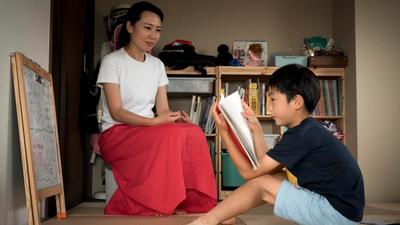
Home tuition usually means a tutor teaches your child one-to-one, often at home or online. The tutor can slow down, revisit weak topics, adjust the lesson plan, and spend more time on the exact mistakes your child keeps making. If your child has gaps from earlier topics, this format can make those gaps easier to spot.
A tuition centre usually means your child joins a class with other students. The centre may follow a fixed programme, provide worksheets, run regular tests, and keep lessons moving according to a planned schedule. This can work well for children who like structure and do not mind asking questions in front of others.
The biggest difference is attention. In home tuition, the lesson bends around your child. In a tuition centre, your child fits into a broader class rhythm. Neither setup is automatically better. A strong centre teacher can explain concepts clearly and motivate a class. A weak home tutor can still be disorganised or mismatched. The format matters, but the teaching quality matters more.
The second difference is feedback. With home tuition, feedback can be immediate and specific: “You understand the concept, but your working is careless.” In a centre, feedback may be broader unless the class is small or the teacher tracks individual progress closely.
So the real comparison is not private versus group. It is diagnosis versus structure, flexibility versus routine, and personal attention versus peer momentum.
Cost, Flexibility, and Commitment
Cost is where many parents start, and that makes sense. Tuition is not a one-week decision; it can become a monthly commitment that affects the family budget. But honestly, the cheapest option is not always the most economical, and the highest hourly rate is not always the best support.
Home tuition often costs more per hour because your child gets individual attention. The rate also depends on the tutor’s experience, subject level, and whether the tutor is part-time, full-time, or an ex-MOE teacher. A Primary 3 English lesson and a JC H2 Chemistry lesson will not sit in the same price range.
Tuition centres may appear more affordable because the cost is spread across a group. However, some established centres charge premium fees, especially for exam-year classes or popular subjects. You may also need to factor in registration fees, materials, replacement lesson rules, and travel time.
For a fuller budget check, parents can compare tuition rates in Singapore before deciding what is realistic. The key is to ask: “What am I paying for?” If you are paying for targeted diagnosis, close feedback, and lesson flexibility, home tuition may justify the cost. If you are paying for structured practice, regular worksheets, and class momentum, a tuition centre may be enough.
Flexibility matters too. Home tuition can usually fit around CCA, remedial lessons, and family schedules. Centres tend to run on fixed slots. That routine can be helpful, but it can also become stressful during busy school terms.
When Home Tuition Usually Works Better
Home tuition usually works better when your child needs more than extra worksheets. If they are repeatedly losing marks for the same reason, a tutor sitting beside them can identify the pattern quickly. Maybe they understand the topic but skip working steps. Maybe they memorise model answers without knowing when to apply them. Maybe they freeze the moment a question looks slightly different.
This is where one-to-one attention helps. A home tutor can stop the lesson the moment confusion appears, ask your child to explain their thinking, and rebuild the concept from that point. In a tuition centre, the teacher may not have time to pause the whole class for one student’s misconception.
Home tuition can also help when confidence has already dropped. If your child has brought home a poor test result, the next step is not panic or punishment. It is to understand what the result is really showing. That is why support should pair well with a calm response at home, especially after difficult results like those discussed in Dealing with Poor Report Cards Constructively.
Home tuition is usually worth considering if your child:
- avoids asking questions in groups
- has weak foundations from earlier topics
- needs help with a specific subject or paper component
- gets distracted easily in larger classes
- has a packed schedule because of CCA or school commitments
- needs regular feedback after each lesson
The downside is that home tuition depends heavily on tutor fit. If the tutor is unclear, inconsistent, or too passive, the one-to-one format alone will not fix the problem. You still need someone who can diagnose mistakes, explain clearly, and adjust lessons without making your child feel judged.
When a Tuition Centre May Work Better
A tuition centre may work better when your child already has the basics but needs routine, exposure, and momentum. Some students learn well when they see peers tackling the same questions. It makes the lesson feel less isolating, and it can create a healthy sense of pace: “If others can do this, I can try too.”
Centres are also useful for structured practice. Many follow a planned sequence across the term, with worksheets, revision packages, timed practices, and exam-style questions. For students who are not badly behind, this regular exposure can help them stay sharp without needing a fully customised lesson each week.
A tuition centre may suit your child if they:
- are comfortable asking questions in a group
- keep up reasonably well in school
- benefit from fixed routines
- need more practice rather than deep diagnosis
- enjoy learning with classmates or peers
- respond well to mild competition
The trade-off is individual attention. If the class is large, your child may receive less specific feedback. They may also hide confusion more easily, especially if they do not want to look “slow” in front of others. That is why class size and teacher follow-up matter. A small, well-run centre class can be effective. A crowded class where your child stays silent may not help much.
For exam years, centre classes can be useful when your child needs exposure to many question types. But if they keep making the same conceptual mistake, more worksheets alone may not solve it. The question is whether your child needs more practice, clearer explanation, or both.
Tutor Fit Matters More Than Format
The best tuition format can still fail if the teaching match is wrong. A home tutor who simply goes through homework without explaining mistakes may not move your child forward. A tuition centre teacher who is engaging, clear, and organised may help more than a one-to-one tutor who lacks structure.
That is why tutor fit matters more than the label. Your child needs someone who can explain at the right level, spot learning gaps, and give feedback your child can actually use. For some children, that person may be a patient undergraduate tutor. For others, it may be a full-time tutor who knows the syllabus well. For exam-year students, an ex-MOE teacher may be useful if the issue is exam technique or marking expectations.
The same logic applies when comparing tutor types. A part-time tutor is not automatically weaker, and a full-time tutor is not automatically better. The question is whether the tutor’s experience matches your child’s needs. If you are weighing tutor background as well as tuition format, Part-Time vs Full-Time Tutor in Singapore: How to Decide can help you think through that decision.
Ask these questions before committing:
- Does the tutor or centre explain how they will identify weak areas?
- Will you receive feedback after lessons?
- Is the teaching style calm enough for your child?
- Does the pace match your child’s current level?
- Can the support adjust before tests, prelims, or major exams?
Here’s what actually works: treat tuition as a support system, not a label. Home tuition, centre tuition, part-time tutor, full-time tutor — these are categories. What matters is whether your child learns better after each lesson.
Why Singapore Context Matters
Tuition advice from overseas does not always translate neatly to Singapore. The pace here is shaped by school assessments, national exams, subject combinations, CCA schedules, and how quickly topics build on one another. A child who is coping in Primary 4 may suddenly struggle in Primary 5. A Sec 2 student may look fine until the Sec 3 subject jump changes the workload.
This matters because home tuition and tuition centres support students differently across levels. A PSLE student may need help turning careless mistakes into stable routines. A Sec 3 student may need support after switching into Pure Science or A-Math. A JC student may need someone who can help them manage depth, speed, and exam precision.
Parents also need to check whether the support is aligned with the current syllabus and school expectations. This is especially true when your child is preparing for milestone exams or moving into a new academic level. If you want a broader view of why updates matter, Staying Updated with Syllabus Changes is a useful companion read.
The practical takeaway: ask any tutor or centre how they keep lessons aligned with Singapore school demands. Good support should not just teach “more”. It should teach what your child actually needs next.
A Parent’s Decision Checklist
Before choosing, write down what problem you are trying to solve. “My child needs tuition” is too broad. “My child understands Science concepts but loses marks in open-ended questions” is much more useful. The clearer the problem, the easier it is to choose between home tuition and a tuition centre.
Use this checklist:
- How much individual attention does your child need?
If they need someone to catch mistakes in real time, home tuition may be better. - Does your child ask questions easily?
If they stay silent in groups, a centre may not reveal what they truly do not understand. - Is the issue confidence, discipline, or content knowledge?
Confidence problems often need patient one-to-one support. Discipline problems may improve with routine. Content gaps need careful diagnosis. - Can your child handle travel time?
A good tuition centre still adds transport time. During exam years, that time may matter. - How much feedback do you need as a parent?
If you want regular updates after lessons, ask how feedback is given before you commit. - What is your budget across the whole term?
Do not just compare one lesson. Add materials, registration fees, transport, replacement rules, and the likelihood of continuing for several months. - Can you test the arrangement before locking in?
A trial lesson or short initial commitment gives you room to observe whether your child is learning better.
Sound familiar? Many families start with the format first. A better approach is to start with your child’s learning need, then match the format to that need.
Getting the Right Support Without Guesswork
Home tuition vs tuition centre is not a contest with one universal winner. Home tuition is usually stronger for diagnosis, confidence, and personalised pacing. Tuition centres can work well for structure, routine, and peer momentum. The better choice is the one that matches your child’s current learning gap.
If you are unsure, start with the problem you want solved: weak foundations, careless mistakes, low confidence, poor exam technique, or lack of practice. Then choose the format that tackles that problem directly.
If your child needs one-to-one support, TutorBee can help you get matched with a tutor who fits your child’s level, subject, and learning needs. Submit your request and we’ll connect you with suitable support.
Ready to find the right tutor for your child? Our matching service connects you with experienced tutors who fit your specific needs.
FAQ — Home Tuition vs Tuition Centre
Is home tuition better than a tuition centre?
Home tuition is better if your child needs close attention, flexible pacing, and specific feedback. It is especially useful when your child has weak foundations, low confidence, or repeated mistakes that need diagnosis.
A tuition centre may be better if your child learns well in a group, likes routine, and needs steady practice across the term. The best choice depends on what kind of support your child responds to.
Is home tuition more expensive in Singapore?
Often, yes. Home tuition usually costs more per hour because the tutor is teaching one child at a time. Rates also vary by level, subject, tutor experience, and whether the tutor is part-time, full-time, or an ex-MOE teacher.
That said, cost should be judged against usefulness. A cheaper option that does not solve the learning gap may cost more in the long run.
Which is better for PSLE or O-Level students?
For PSLE or O-Level students, home tuition may work better when the issue is confidence, careless mistakes, weak foundations, or exam technique. One-to-one support gives the tutor more room to slow down and correct patterns.
A tuition centre may work better when the student already understands the basics but needs more exposure to question types, timed practice, and exam routines.
Should my child try both?
Yes, if your budget and schedule allow it. Some children benefit from a short trial before the family commits. Watch for signs after a few lessons: clearer explanations, better confidence, more consistent homework, and fewer repeated mistakes.
If neither format seems to help, the issue may not be the format. It may be tutor fit, class size, subject mismatch, or unclear learning goals.
Get Matched with a Tutor in 24 Hours
Join 5,000+ families who found their perfect tutor through TutorBee. No agency fees, 100% verified tutors.
Related Articles

Home Tuition vs Tuition Centre Singapore: How to Decide
Home tuition or tuition centre — which works better for your child in Singapore? Compare rates, group sizes, exam results, and how to decide for your family.
Best Home Tutors in Singapore: A Parent's Guide (2026)
How do you find the best home tutor in Singapore? This guide covers what to look for, where to search, and how to get matched with a tutor who fits your child.

Co-Curricular Activities: Balancing Studies and CCAs
Balancing studies and CCAs is hard for many students and parents. Here's how to keep school, activities, rest, and revision in balance in Singapore.